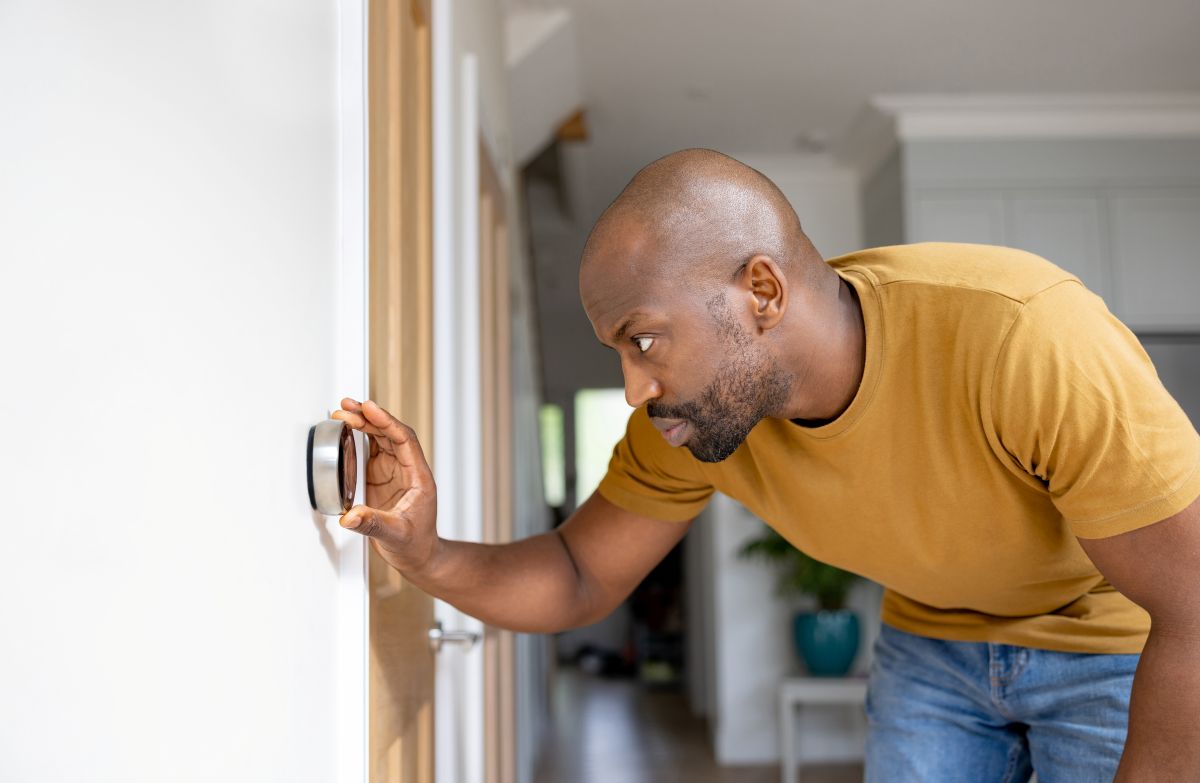
One room feels perfectly comfortable, while another seems too warm or too cold. That kind of uneven comfort is common in homes, and the thermostat is not always the cause. Hot and cold spots can develop because of airflow problems, ductwork issues, insulation gaps, air leaks, or HVAC performance concerns.
HVAC balancing can help when uneven airflow is part of the problem. The goal is to improve how conditioned air moves through the home so rooms receive the airflow they need.
Why Do Some Rooms Feel Hotter or Colder Than Others?
Uneven temperatures can have several causes, and sometimes more than one issue is involved.
One common reason is uneven supply airflow. If one room receives less conditioned air than another, it may stay warmer in the summer or colder in the winter. Return airflow matters, too. Without an effective path for air to move back to the HVAC system, pressure differences can develop and affect comfort.
Ductwork can also play a major role. Leaky, damaged, crushed, disconnected, or poorly configured ducts may limit airflow to certain parts of the home. Other factors, including air leaks, insufficient insulation, direct sun exposure, and HVAC sizing or operating problems, may also contribute.
In Frederick County, homes need both heating and cooling throughout the year. That means uneven comfort may become more noticeable during different seasons depending on the home’s layout, duct system, and exposure.
What Is HVAC Balancing?
HVAC balancing is the process of evaluating how air moves through a home’s heating and cooling system and making adjustments when airflow is uneven.
A technician may look at both supply airflow and return airflow to see whether certain rooms are receiving too much or too little conditioned air. Proper return-air pathways are important because they allow air to circulate back to the central system without creating unnecessary pressure differences.
Balancing is not automatically the answer to every hot or cold spot. A technician first needs to determine what is causing the temperature difference. If damaged ductwork, poor insulation, air leakage, or another HVAC issue is responsible, that problem may need to be addressed before airflow can improve.
How Can Ductwork Cause Uneven Temperatures?
Your duct system carries heated and cooled air throughout your home. When part of that system is leaking or restricted, less conditioned air may reach certain rooms.
According to ENERGY STAR, roughly 20% to 30% of the air that moves through a typical duct system can be lost through leaks, holes, and poorly connected ducts. That lost airflow can make some areas harder to heat or cool.
Crushed, disconnected, or improperly configured ducts may also reduce airflow. Depending on what a technician finds, the appropriate solution could include sealing, repairing, or replacing part of the system.
If persistent temperature differences seem connected to weak airflow, professional ductwork services can help identify whether the ducts are contributing to the problem.
Will Adjusting the Thermostat Fix Hot and Cold Spots?
Changing the thermostat affects the temperature setting for the HVAC system as a whole. It does not necessarily correct an airflow problem in one room or area.
For example, lowering the thermostat because an upstairs room feels warm may cause other parts of the home to become too cool without solving the reason that room is uncomfortable.
Room sensors can help track temperature differences, but they do not repair damaged ducts or correct airflow restrictions. If the same rooms stay noticeably hotter or colder than the rest of the home, the underlying cause deserves a closer look.
When Should You Have Uneven Temperatures Checked?
It is worth having uneven temperatures evaluated when hot or cold spots are persistent, affect everyday comfort, or are paired with weak airflow.
A professional assessment can help determine whether the issue involves ductwork, airflow, insulation, air leakage, or HVAC performance. Looking at the whole comfort system is more useful than assuming one solution will work for every home.
Indoor comfort can also be influenced by ventilation, filtration, and other air quality factors. Learning more about indoor air quality services can provide additional context when airflow and home comfort concerns overlap.
Get More Consistent Comfort in Your Frederick County Home
Hot and cold spots can have several causes, including uneven airflow, ductwork problems, insulation gaps, air leakage, and HVAC performance issues. Finding the cause first helps determine the right solution.
Weather Masters Corp. has served the Frederick area since 2016 and provides heating, cooling, and ductwork services for local homeowners and businesses. Our technicians can evaluate comfort concerns and help identify issues that may be affecting airflow throughout your home.
If certain rooms never seem to feel comfortable, contact us to request HVAC service in Frederick County.