If your heater stops working at night, start by checking your thermostat settings, power supply, and air filter for obvious issues. If your heating system still won’t turn on, you may need professional service. However, warning signs like gas odors, smoke, or carbon monoxide alarms require immediate safety precautions.
For homeowners in Frederick, MD, and surrounding areas, losing heat during a cold Maryland night can quickly become uncomfortable. Knowing what to check, when to seek help, and how to stay warm can make an unexpected heating breakdown easier to manage.
What Should You Check First When Your Heater Stops Working?
Not every heating failure indicates a major mechanical problem. Before requesting emergency heating repair, you can safely check a few basic things. However, if you notice anything unusual or potentially dangerous, stop troubleshooting and put your safety first.
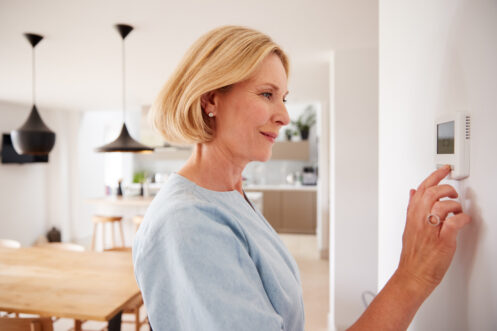
Check Your Thermostat Settings
Make sure your thermostat is set to heating mode and the desired temperature is higher than the current indoor temperature. If your thermostat uses batteries, a low battery may prevent it from communicating with your heating system.
Inspect the Circuit Breaker and Power Supply
A heating system needs electricity to operate, even if it uses natural gas for heating. A tripped circuit breaker or interrupted power supply may explain why your heater suddenly stopped working.
If a breaker repeatedly trips, leave it alone and contact a professional. Repeated electrical interruptions may indicate a problem that requires further inspection.
Check Your Air Filter and Vents
A clogged air filter can restrict airflow and cause some heating systems to overheat and shut down. Blocked supply or return vents can also interfere with proper airflow.
Look for visible obstructions around vents and check whether your air filter appears excessively dirty. If the system remains unresponsive, avoid attempting internal repairs.
When Is a Heater Breakdown Considered an Emergency?
Some heating problems can wait until regular business hours, while others require immediate attention. Recognizing the difference helps protect your household from potentially dangerous conditions.
Warning signs that may require emergency assistance include:
- Gas odors: A rotten egg smell may indicate a natural gas leak.
- Carbon monoxide alarms: An activated alarm may indicate dangerous carbon monoxide levels.
- Smoke or sparks: Visible smoke, sparks, or strong electrical burning odors may indicate a serious malfunction.
- Dangerously low temperatures: Complete loss of heat during freezing weather can create unsafe indoor conditions.
- Vulnerable household members: Infants, older adults, and individuals with certain medical conditions may be particularly sensitive to cold temperatures.
If you suspect a gas leak or your carbon monoxide alarm sounds, evacuate immediately. From a safe location, contact emergency services or your gas utility. Do not attempt to restart or troubleshoot the equipment.
How Can You Stay Safe and Warm Until Heating Service Arrives?
If your heater stops working overnight, maintaining a safe indoor temperature is important while you wait for professional assistance.
Consider these precautions:
- Close doors to unused rooms to help retain warmth in occupied areas.
- Wear additional clothing layers and use blankets.
- Keep exterior doors and windows closed when safe to do so.
- Use electric space heaters only according to manufacturer instructions, keeping them away from combustible materials.
- Consider staying somewhere warmer if indoor temperatures become unsafe.
Never use a gas oven, charcoal grill, or outdoor heater to warm your living space. These appliances can produce dangerous carbon monoxide levels when used improperly indoors.
Why Might Your Heater Stop Working Overnight?
Unexpected heating failures can happen for several reasons. Some problems involve simple settings or airflow restrictions, while others require professional diagnosis and repair.
Common causes include:
- Thermostat malfunctions: Faulty controls may prevent the system from responding to heating requests.
- Restricted airflow: Dirty filters or blocked vents can contribute to overheating.
- Ignition problems: Faulty ignition components may prevent a furnace from producing heat.
- Electrical failures: Wiring, controls, or other component problems can interrupt operation.
- Safety shutdowns: Built-in protective controls may stop heating when unsafe operating conditions develop.
A professional heating inspection can identify the underlying issue and determine which repairs are necessary.
What Happens During an Emergency Heating Service Call?
During a heating repair visit, an HVAC technician evaluates the system, investigates the reported symptoms, and identifies potential equipment failures. Depending on the findings, the technician may recommend repairs to restore safe, reliable operation.
When requesting service, describe any unusual sounds, odors, thermostat messages, or changes in heating performance. These details can help explain what happened before the system stopped working.
Request Heating Repair in Frederick, MD, With Weather Masters Corp.
A heater that stops working overnight can leave your household exposed to uncomfortable and potentially unsafe temperatures. Address warning signs promptly and request professional heating repair to restore comfort and protect your home.
At Weather Masters Corp., we provide fast heating repair services for homeowners in Frederick, MD, and surrounding areas. Our experienced technicians diagnose and repair furnace, heat pump, and other heating equipment problems. Contact us today to schedule heating repair in Frederick, MD.