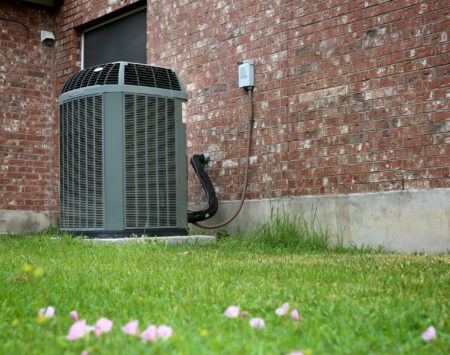
An HVAC system does not have one exact expiration date, but most residential units last 10 to 20 years. The equipment type, installation, maintenance history, and daily workload all affect that range. In Frederick, hot, humid summers and cold winters can place steady seasonal demands on heating and cooling equipment.
Age is only the starting point. An older system may remain dependable with regular care, while a newer unit may struggle because of installation or performance problems. Repair history, comfort, energy use, and overall condition can help you decide when replacement makes sense.
Concerned about an aging HVAC system? Request an assessment from Weather Masters Corp. for HVAC service in Frederick, MD.
How Long Do HVAC Systems Typically Last?
Expected lifespan varies by system type and how often the equipment operates. Common estimates for residential equipment include:
- Central AC systems: About 12 to 15 years
- Furnaces: About 15 to 20 years
- Heat pumps: About 10 to 15 years
- Boilers: About 15 to 25 years
- Ductless mini-splits: About 10 to 20 years
These ranges are guidelines, not deadlines. A system’s condition matters more than its age alone. Weather Masters Corp. advises homeowners to consider replacing an AC unit after 12 years if it develops performance concerns. A furnace over 10 years old may also deserve closer evaluation when reliability or efficiency declines.
How Does Maryland’s Climate Affect HVAC Lifespan?
Frederick experiences distinct heating and cooling seasons. Humid summer weather requires an AC system to manage temperature and moisture, while freezing winter conditions create prolonged heating demand. This repeated seasonal workload can contribute to wear on motors, electrical components, compressors, and other parts.
Heavy use does not automatically mean early failure. Correct system sizing, professional installation, and routine maintenance all influence longevity. A unit that is too large may cycle frequently, while an undersized system may run for extended periods. Both conditions can affect comfort and equipment wear.
Outdoor equipment also faces rain, debris, temperature swings, and moisture throughout the year. These conditions make periodic inspection especially valuable because corrosion, restricted airflow, or damaged components can reduce dependable operation.
What Are the Signs Your HVAC System Needs Replacement?
A single problem does not always justify replacement. However, several issues appearing together may show that an older system is approaching the end of its useful life. Watch for:
- Repairs that become more frequent.
- Energy use that rises without a clear explanation.
- Uneven temperatures between rooms.
- Unusual noises or persistent odors.
- Heating or cooling cycles that run longer than usual.
- Difficulty reaching the thermostat setting.
- Humidity or comfort problems that continue after service.
A qualified technician can identify whether the problem affects one repairable component or reflects broader system decline. Weather Masters Corp. services furnaces and heat pumps of any make or model through its heating services. The company also diagnoses residential cooling problems and offers AC services.
Should You Repair or Replace an Aging HVAC System?
Start by comparing the system’s age with the expected range for its equipment type. Then consider its repair history and current performance. A repair may be reasonable when the unit remains dependable, provides even comfort, and has an isolated issue.
Replacement may be more practical when an older system needs repeated repairs or no longer heats and cools consistently. Rising energy use and hard-to-find replacement parts may also influence the decision. A professional evaluation can clarify the system’s condition and help you compare realistic options without assuming every old unit needs immediate replacement.
How Can You Help Your HVAC System Last Longer?
Annual professional tune-ups can support efficiency, reliability, and longer equipment life. During maintenance, a technician can inspect components, clean appropriate parts, and identify developing concerns. Addressing minor problems promptly may reduce extra strain on the system.
Homeowners should also replace filters at the interval recommended for their equipment and household. Consistent airflow helps the system operate as designed. Maintenance cannot prevent every breakdown, but it can provide a clearer record of condition and performance as equipment ages.
Plan Your HVAC Replacement With Weather Masters Corp.
Most HVAC systems last between 10 and 20 years, but age alone should not determine your decision. Equipment type, Frederick’s climate, maintenance, repair frequency, energy use, and indoor comfort all provide important context. Evaluating these factors together helps you decide whether repair or replacement better fits your home.
Founded in 2016, Weather Masters Corp. provides residential heating and cooling installation, repair, and maintenance in Frederick. Our technicians can assess your current equipment, explain their findings, and help you consider the next step.
Prepare your home for Maryland’s changing seasons. Schedule service with Weather Masters Corp. for HVAC replacement guidance in Frederick, MD.